Source Dome Style Chicago Screw for Kitchen, Marine, and Furniture
Find and compare 30 dome style chicago screw options from verified suppliers. Browse brass and stainless steel variants with custom coatings and global standards to match your specific fastening requirements; compare the available evidence and request quotations based on your requirements.
Key considerations
Products List




Comprehensive Sourcing Guide
Dome Style Chicago Screw Sourcing Guide
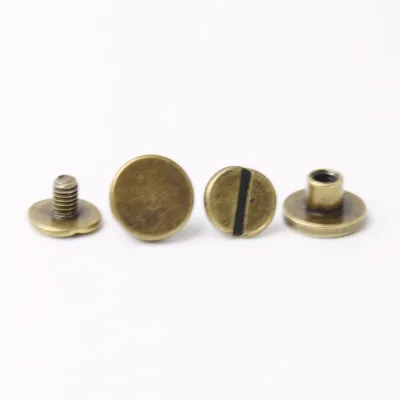
Procuring dome style Chicago screws requires careful attention to the specific mechanical and aesthetic requirements of your assembly line. These fasteners, often characterized by a rounded head and a slotted or cross-drive groove, serve critical functions in applications ranging from bookbinding to marine hardware. Buyers must distinguish between variations in material composition, such as brass or stainless steel, as these choices directly impact corrosion resistance and structural integrity in different environments.
The market presents a diverse range of specifications, including thread sizes from M2 to M20 and lengths spanning from 4mm to 50mm. Sourcing decisions should be grounded in the exact dimensional needs of the product, as the observed listings indicate a wide spectrum of options including M3, M4, and M5 variants. Understanding the specific groove type, whether slotted or hexagonal, is essential for ensuring compatibility with the tools available in your facility and the torque requirements of the final assembly.
Product Scope and Observed Listing Signals
The observed product listings reveal a significant variation in customization availability and head styles, with round and dome heads being the most prevalent configurations. Buyers should note that while some entries specify a "Common Bolt" connection, others highlight specialized usage for kitchen, furniture, and window applications. This diversity suggests that the term "Chicago screw" encompasses a broad category of binding screws, requiring precise definition of the intended use case before initiating a supplier inquiry.
Listing signals also indicate that coating processes vary widely, with options including black zinc, black oxide, and powder coating to enhance durability. The presence of different material grades, such as brass, copper, and stainless steel, further complicates the selection process. Procurement teams must verify that the specific coating and material combination aligns with the environmental conditions the fastener will face, ensuring that the observed features match the actual performance requirements of the project.
Technical Specifications to Verify
Dimensional accuracy is paramount when sourcing these fasteners, as the observed data shows sizes ranging from M2.5 to M20 and lengths from 6mm to 50mm. Buyers must explicitly confirm the shaft diameter and thread pitch, as discrepancies in these measurements can lead to assembly failures or compromised structural strength. The standard thread types observed include full thread configurations, which are critical for applications requiring maximum grip and load distribution across the entire length of the screw.
Head style and groove type are equally critical technical parameters that influence both installation and aesthetic outcomes. The listings highlight slotted, cross, and hexagonal grooves, each demanding specific driver tools and offering different torque capabilities. Additionally, the head type, whether dome or round, affects the clearance required in the assembly design. Verifying these specific attributes against the engineering drawings ensures that the purchased components will fit seamlessly into the final product without requiring costly modifications.
Compliance and Safety Documentation
Regulatory compliance is a non-negotiable aspect of sourcing industrial fasteners, particularly for applications in marine, outdoor, and furniture sectors. The observed product data references several international standards, including GOST, GB, DIN, ANSI, BSW, and JIS, which serve as benchmarks for quality and dimensional consistency. Buyers should request documentation proving that the supplied screws meet the specific standard required for their target market, ensuring that the components are legally compliant and safe for use.
Safety and environmental certifications are also vital, with listings indicating the availability of ISO, SGS, RoHS, and CE certifications. These documents verify that the manufacturing process adheres to strict environmental and safety guidelines, particularly regarding the materials used and the coatings applied. For exports to regions with stringent regulations, such as the European Union or North America, obtaining proof of these certifications is essential to avoid customs delays and ensure the product meets all necessary safety requirements.
Cost Drivers and Commercial Terms
The cost of dome style Chicago screws is heavily influenced by the material composition, with brass and stainless steel typically commanding higher prices than standard carbon steel alternatives. The complexity of the coating process, such as powder coating or black zinc plating, also adds to the unit cost. Buyers must evaluate the total cost of ownership, considering that higher-grade materials and specialized finishes often provide superior longevity and reduced maintenance costs over the lifecycle of the product.
Commercial terms, including Minimum Order Quantity (MOQ) and lead times, vary significantly across suppliers, with observed ranges from 1 to 50,000 units and delivery times spanning 7 to 15 working days. Sampling times of 3 to 5 working days are common, allowing for quality verification before full-scale production. Procurement teams should negotiate terms that balance inventory costs with production schedules, ensuring that the MOQ aligns with their demand forecasts while maintaining flexibility for future orders.
Supplier Qualification and Quality Control
Supplier qualification should focus on the manufacturer's ability to maintain consistent quality across large production runs, as evidenced by their adherence to ISO 9001 and other recognized standards. The observed listings mention specific production models and origin locations, such as Jiangsu, which can serve as indicators of regional manufacturing capabilities. Buyers should verify the supplier's track record in producing similar fasteners and their capacity to handle the required volume without compromising on quality or delivery timelines.
Quality control processes, including salt spray testing, are critical for validating the corrosion resistance of the fasteners. The presence of these tests in the product data suggests a commitment to durability, but buyers must request detailed test reports to confirm that the results meet their specific performance criteria. Establishing a robust quality assurance protocol, including random sampling and inspection upon receipt, ensures that the supplied screws meet the rigorous standards required for high-performance applications.
Long-Term Procurement Checks
Establishing a long-term partnership with a reliable supplier requires continuous monitoring of product consistency and supply chain stability. Buyers should implement regular audits to ensure that the materials, coatings, and dimensions remain consistent with the initial samples and agreed-upon specifications. This proactive approach helps mitigate the risk of supply disruptions and ensures that the fasteners continue to meet the evolving needs of the product line over time.
Performance tracking and feedback loops are essential for maintaining high standards in the procurement process. By analyzing field performance data and customer feedback, buyers can identify any recurring issues with the fasteners and address them with the supplier promptly. This collaborative approach fosters a relationship based on mutual trust and continuous improvement, ensuring that the dome style Chicago screws remain a reliable component in the final assembly for years to come.
FAQs
What materials are used for dome style chicago screws?
These screws are primarily manufactured from brass and stainless steel. Brass variants offer excellent corrosion resistance and aesthetic appeal, while stainless steel provides superior strength and durability for demanding applications. Both materials ensure long-term performance in various environmental conditions without compromising structural integrity.
Which standards do these screws comply with?
The products comply with major international standards including GOST, GB, DIN, ANSI, BSW, and JIS. This broad compliance ensures compatibility with global machinery and furniture assembly requirements. Buyers can select specific standards based on regional regulations or project specifications to guarantee proper fit and function.
Can these screws be customized for specific projects?
Yes, customization is available for various project needs. Manufacturers offer tailored solutions for thread sizes, lengths, and coating options like black zinc or powder coating. This flexibility allows buyers to specify exact dimensions and surface treatments, ensuring the screws meet precise engineering requirements and aesthetic preferences for unique applications.
What is the typical lead time for delivery?
The standard delivery time ranges from 7 to 15 working days after order confirmation. This timeframe allows for efficient production and quality control processes. Buyers should account for this period when planning inventory, ensuring timely availability for manufacturing schedules or project deadlines without unexpected delays in supply chain operations.
What certifications do the manufacturers hold?
Manufacturers typically hold ISO, SGS, RoHS, CE, and ISO9001 certifications. These credentials verify adherence to international quality management and environmental standards. Such certifications provide assurance of consistent product quality, safety compliance, and reliable manufacturing processes, which are critical for buyers requiring verified supply chains for sensitive or regulated industries.
What are the common usage applications for these screws?
These screws are widely used in kitchen fixtures, marine equipment, outdoor furniture, and window assemblies. Their robust design supports heavy-duty fastening needs in diverse environments. The versatile nature of the dome head design makes them suitable for both functional structural connections and decorative hardware applications across multiple industrial sectors.